Independent medical device testing is central to ensuring regulatory confidence. Regulators expect objective proof that a device is safe, reliable, and performs consistently under expected conditions. Third-party medical device testing provides that impartial validation through accredited laboratories that specialize in regulatory-grade test evidence.
For manufacturers preparing for compliance in India, independent testing is a significant part of the approval pathway and directly influences licensing decisions. Manufacturers working with electrical and patient-critical equipment can explore detailed testing capabilities on the medical device testing services page, which outlines standards such as IEC 60601 and specific standard evaluations.
Regulatory expectations and acceptance requirements
CDSCO requires device testing to be conducted in an accredited laboratory recognized for technical competence. Test reports generated internally by manufacturers are generally not considered sufficient for licensing, especially for higher-risk device classes. This requirement aligns with international frameworks such as the FDA in the United States and the EU MDR in Europe, both of which emphasize independent assessment to remove conflict of interest.
Understanding how independent test data integrates within regulatory submissions helps manufacturers navigate approval stages smoothly. A detailed explanation of the formal approval pathway, timelines, and documentation flow is available in the guide on the CDSCO approval process for medical devices in India, which highlights how testing evidence supports dossier evaluation.
Eliminating conflict of interest and improving credibility
Evaluation performed solely by manufacturers may raise concerns around commercial bias. Independent laboratories eliminate this concern through traceable measurements and structured documentation under ISO IEC 17025. Neutral verification strengthens trust among regulators, hospitals, clinical decision-makers, and insurance risk reviewers, especially when evaluating Class B, C, and D devices, where safety outcomes are critical.
Technical expertise and specialized infrastructure
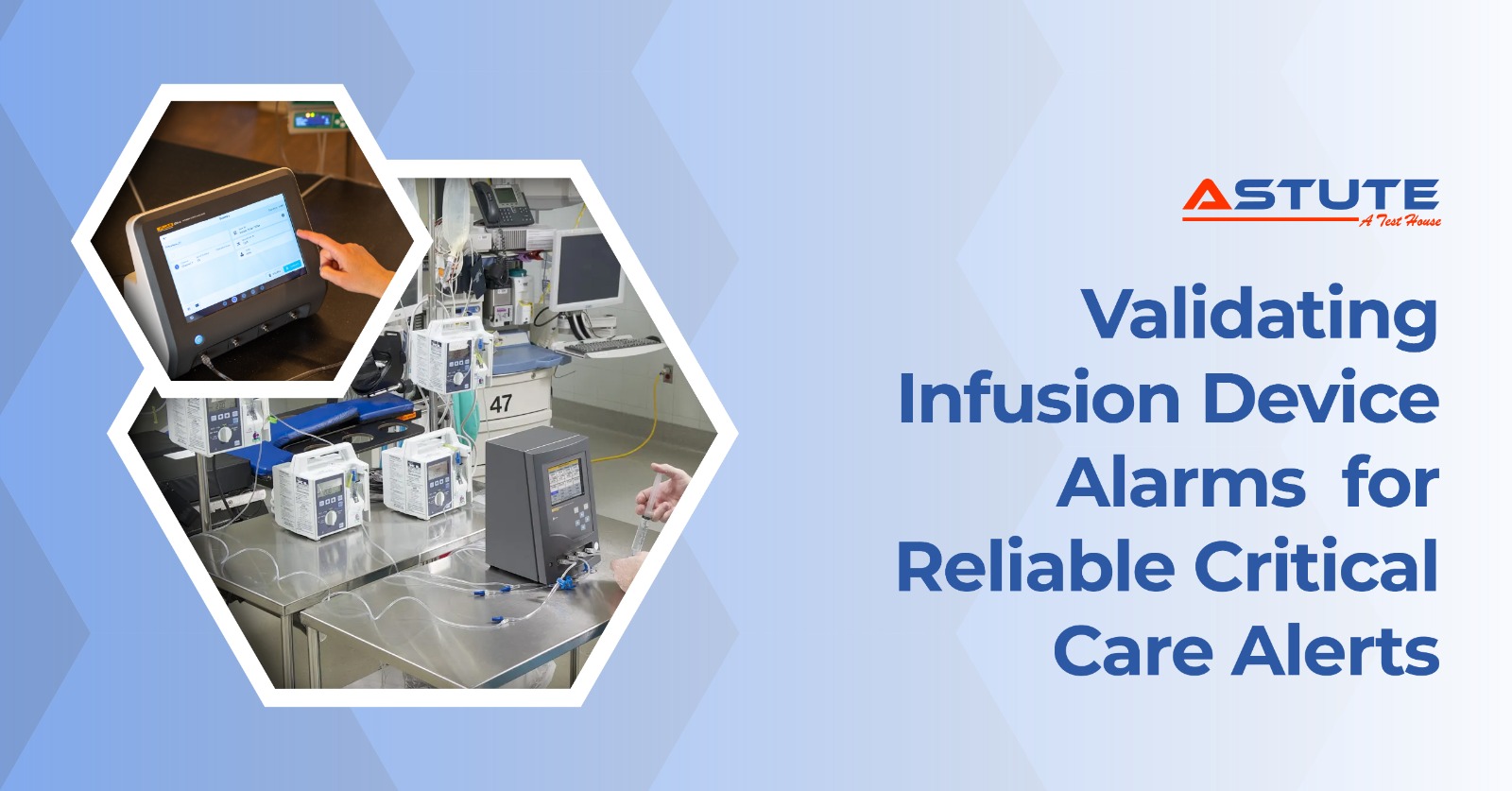
Third-party laboratories provide expertise and infrastructure that are challenging to build internally. These include controlled test environments, specialist engineering teams, and high-precision testing equipment. Capabilities often support:
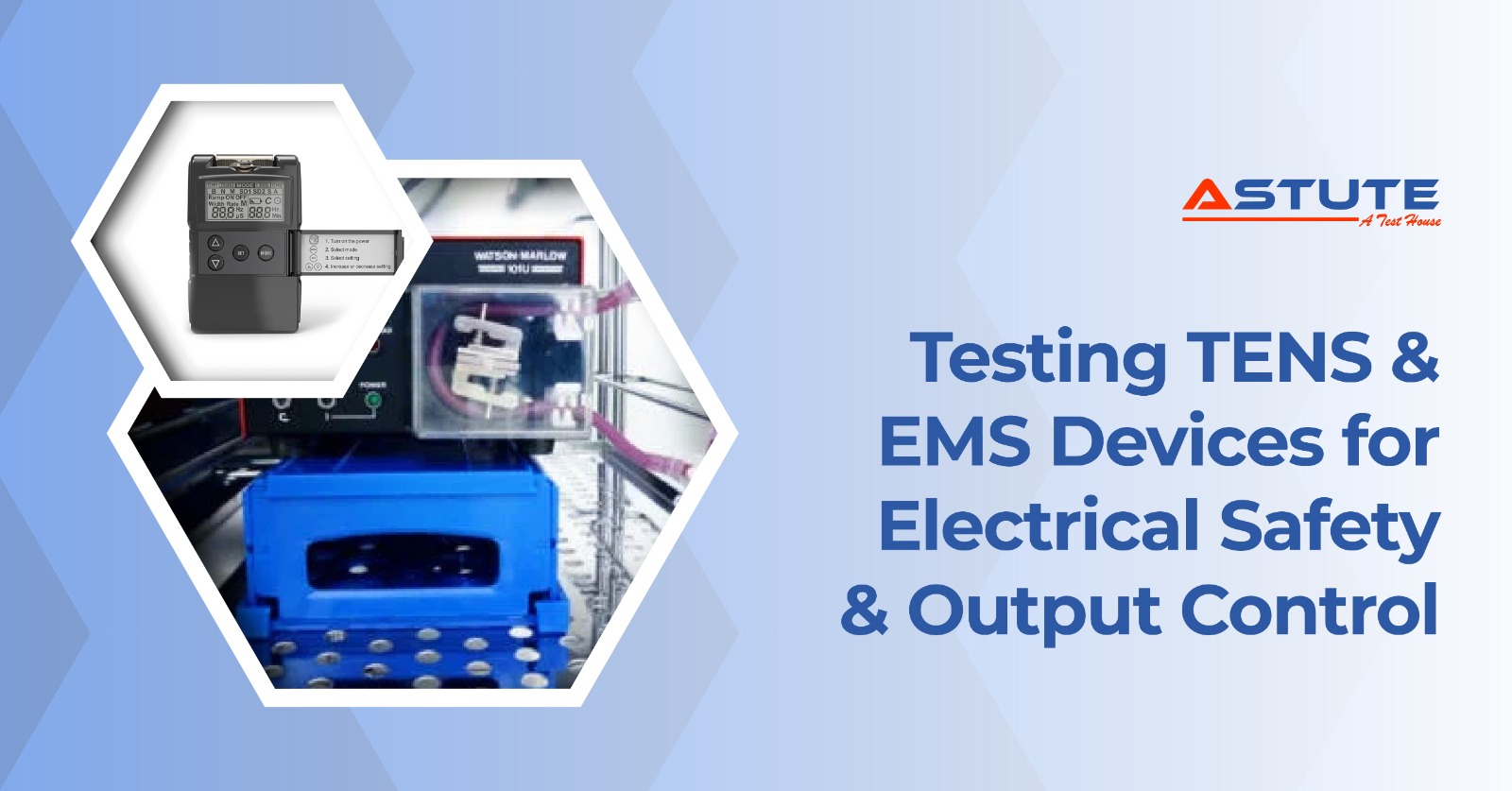
- IEC 60601-1 electrical safety and performance testing
- EMC and EMI evaluations under IEC 60601-1-2
- ISO 10993 biocompatibility endpoint selection and testing
- Sterilization validation and ageing studies
- Software compliance analysis under IEC 62304
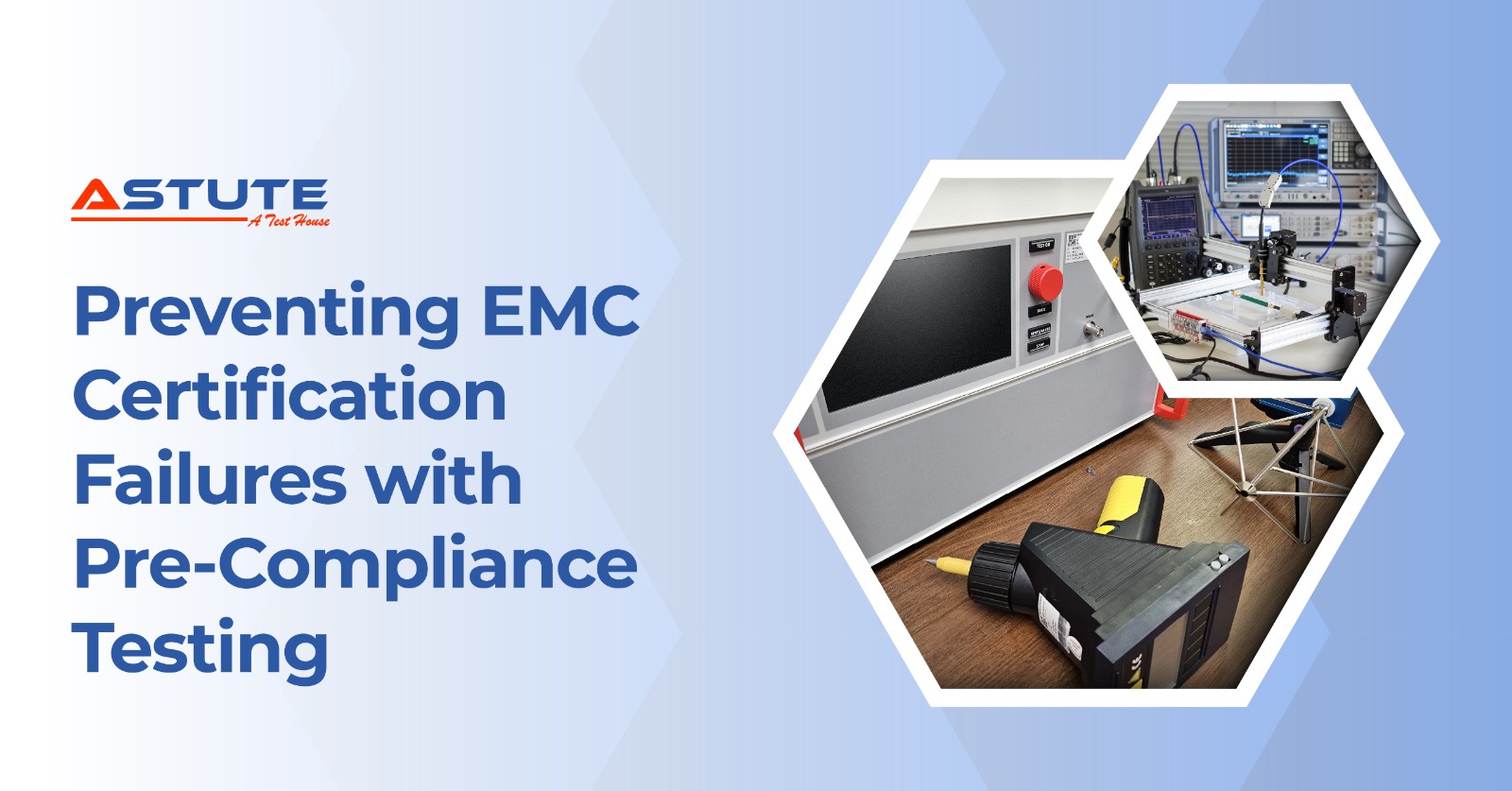
EMC testing is one of the most sensitive areas for regulatory success, and the post on why EMI/EMC testing matters for medical devices explains that failure in this area is a leading cause of approval delays.
Supporting risk reduction and compliance documentation
Independent testing strengthens regulatory defensibility through objective evidence. Manufacturers benefit from better inspection readiness, improved traceability in the ISO 14971 risk management file, and more structured documentation for clinical evaluation and post-approval monitoring.
Challenges around query cycles and retesting are common. Strategies to prevent procedural delays and documentation gaps are explained in the guide on reducing medical device certification delays, which highlights common causes of regulator feedback and how preparation influences review speed.
Faster licensing and global access advantages
Testing performed at an NABL-accredited and MD 40-recognised laboratory is generally accepted by CDSCO without retesting, reducing review cycles and minimizing documentation queries. Since NABL is part of the ILAC network, reports from accredited laboratories may also support approvals across international markets, reducing duplicate testing effort for global expansion.
This allows manufacturers to align compliance efforts across regulatory geographies and build predicate equivalence evidence more efficiently.
When to use third-party medical device testing
Independent evaluation becomes essential when patient safety, regulatory confidence, or performance reliability determines approval outcomes. While some Class A devices may rely on limited testing, structured third-party validation is strongly recommended for most device categories.
Comparison: Independent testing needed for the device class
Device Class | Risk Level | Typical Requirements | Third-Party Testing Expectation |
Class A | Low risk | Basic safety and performance checks | Recommended when patient contacting, sterile, electrical, or software driven |
Class B | Low to moderate | Verification testing, EMC, biocompatibility | Strongly recommended to improve regulatory acceptance |
Class C | Moderate to high | IEC 60601, EMC, ISO 10993, sterilization validation | Required for CDSCO approval with accredited independent reports |
Class D | Highest risk | Reliability and performance testing plus clinical evidence | Essential for licensing and global submissions |
Independent third-party testing is therefore a strategic requirement for electrical, sterile, active, or high-impact devices and for manufacturers preparing for international markets.
How Astute Labs supports independent testing
Astute Labs provides third-party medical device testing as an NABL-accredited and CDSCO-recognised facility. The laboratory supports IEC 60601 electrical safety, EMI and EMC compliance, packaging validation, ageing studies, and calibration for a wide range of medical equipment categories. Test reports are structured in alignment with BIS and CDSCO review expectations.
Explore full testing capabilities through the Astute Labs services portfolio, or connect directly via the contact page for support with testing strategy and submission readiness.